Crane selection must account for:
- Entry and exit routes
- Assembly space
- Interaction with other equipment
Mobile tower cranes often simplify logistics on constrained sites where access planning is complex.
Choosing the right crane type is a critical planning decision in construction projects. While both mobile tower cranes and fixed tower cranes serve similar lifting purposes, their suitability depends heavily on site conditions, project duration, access limitations, and operational flexibility.
This article explains when a mobile tower crane is the better choice, when a fixed tower crane makes more sense, and how planners and project teams can align crane selection with real site demands rather than generic assumptions.
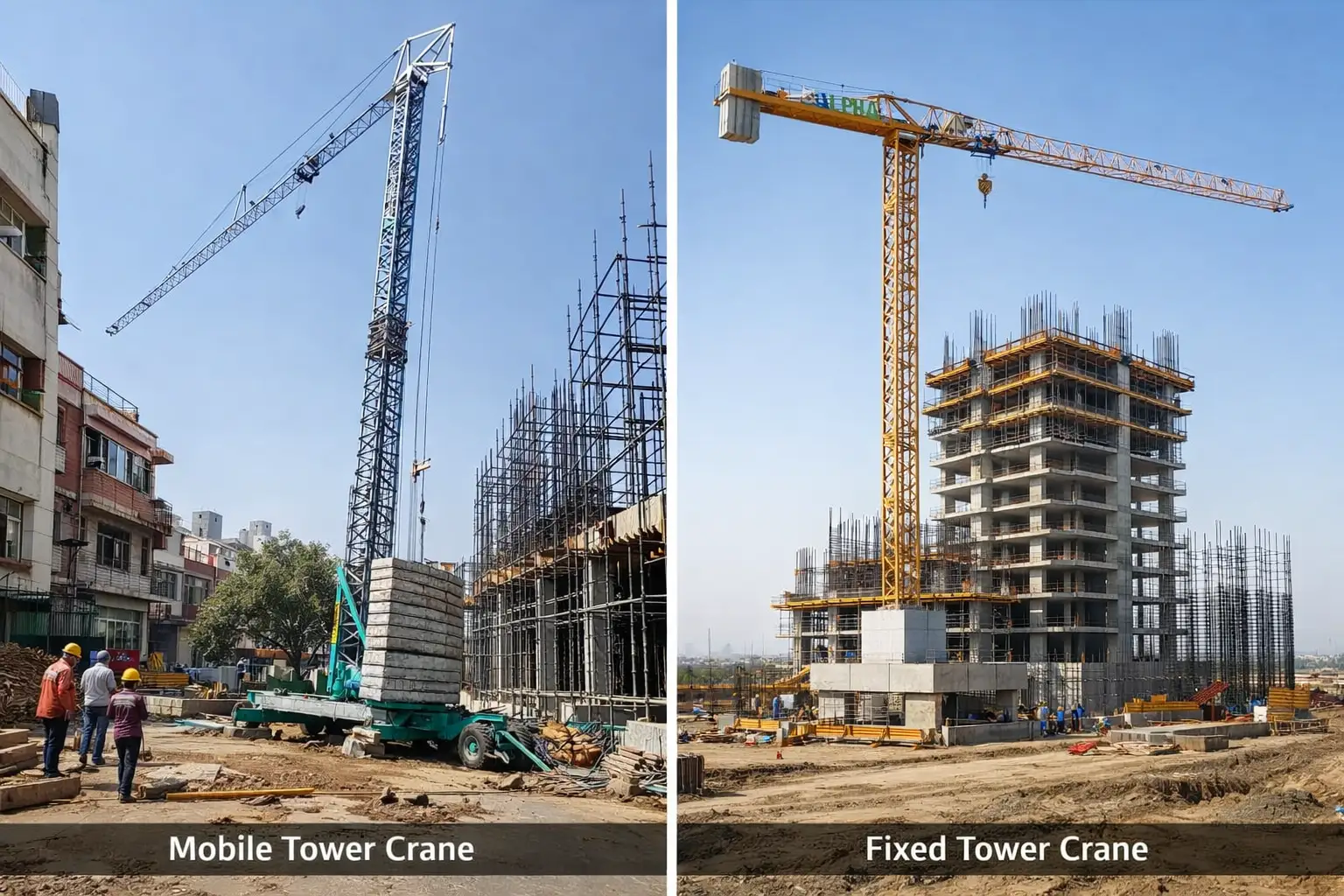
The fundamental difference between mobile and fixed tower cranes lies in mobility versus permanence.
Fixed tower cranes are designed for long-term installation and continuous operation at a single location. They are commonly used on large, vertically intensive projects where the crane remains in place for most of the construction lifecycle.
Mobile tower cranes, on the other hand, are selected when projects require:
From a planning perspective, this distinction drives most crane selection decisions.
Mobile tower cranes are preferred in construction scenarios where site conditions or timelines do not justify permanent crane installation.
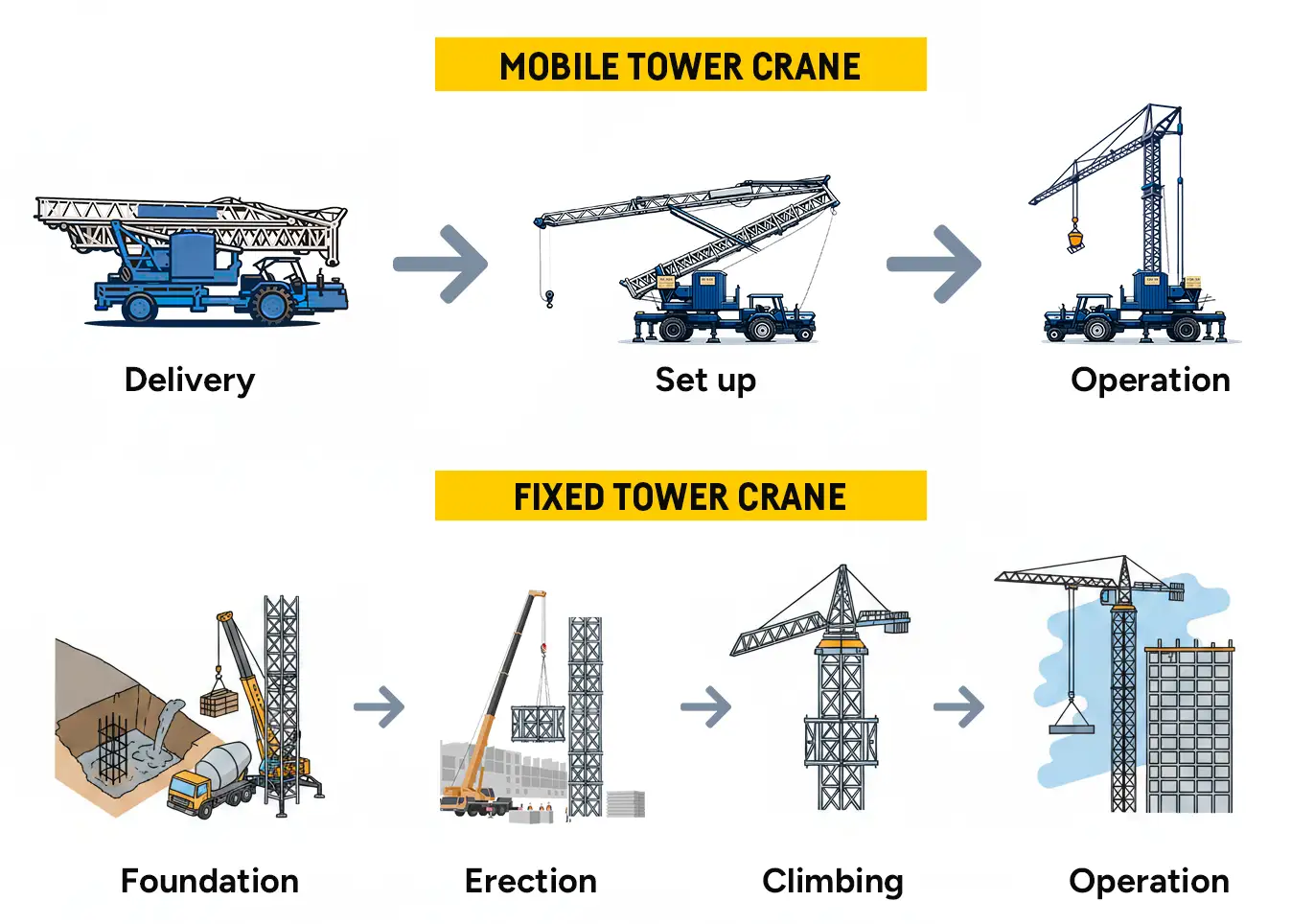
Fixed tower cranes remain the preferred solution on projects where lifting demands are continuous, heavy, and vertically intensive.
On high-rise projects where the crane remains operational for extended periods, fixed tower cranes provide:
The upfront installation effort is justified by sustained use.
Projects with predictable layouts and sufficient space for crane foundations benefit from the permanence of fixed installations. Once erected, fixed tower cranes support repetitive lifts without frequent repositioning.
Rather than focusing only on crane type, experienced planners evaluate site-specific constraints before making a decision.
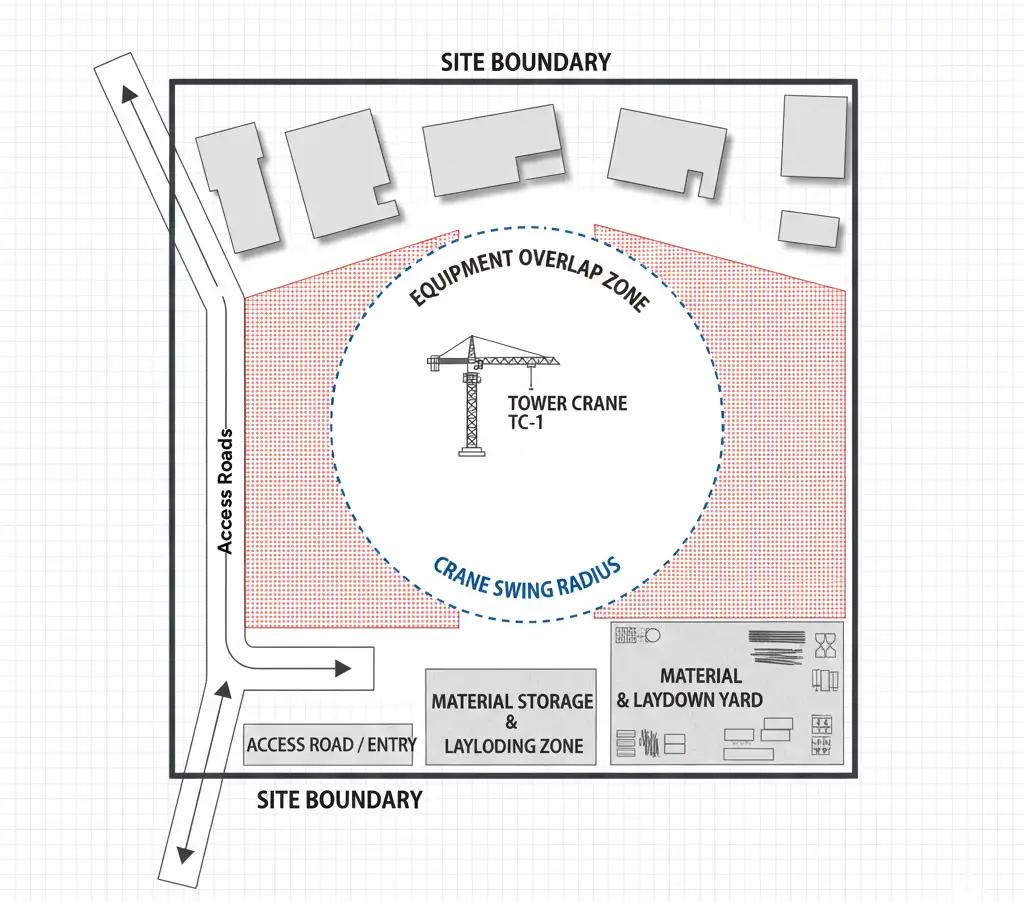
Crane selection must account for:
Mobile tower cranes often simplify logistics on constrained sites where access planning is complex.
Crane utilization intensity matters. Short or intermittent usage often favors mobile deployment, while continuous lifting over months supports fixed installation.
This is where many project teams assess available mobile tower crane configurations that align with both operational needs and deployment timelines, rather than committing prematurely to permanent setups.
In multi-equipment environments, crane selection affects:
Crane choice should align with site-wide coordination strategies rather than operate in isolation.
Based on real project planning experience, common issues include:
 Selecting fixed cranes too early without validating site accessUnderestimating the impact of project phasing on crane utilizationIgnoring future layout changes that restrict crane operation
These mistakes often lead to reconfiguration delays or operational inefficiencies.
Selecting the appropriate crane type supports:
Projects that align crane selection with actual site demands typically experience fewer disruptions and smoother execution across phases.
There is no universally “better” crane, only a better-suited crane for a specific project.
Mobile tower cranes provide flexibility, rapid deployment, and adaptability where site constraints or timelines demand it. Fixed tower cranes deliver stability and capacity on long-term, vertically intensive projects. The key lies in evaluating site conditions, duration, and operational needs before committing to either option.
When crane selection is treated as a planning decision rather than a default choice, construction teams gain better control over both risk and performance.

