Mobile Tower Crane: Rent vs Purchase for Construction Projects
- By Admin
- 9 February 2026
Choosing between renting and purchasing a mobile tower crane is a strategic decision for construction companies, EPC contractors, and project consultants. The right choice depends on project duration, site conditions, crane utilization frequency, and compliance requirements.
Rather than treating this as a pricing decision, experienced project teams evaluate operational flexibility, risk exposure, and long-term cost efficiency. This guide explains how to assess mobile tower crane rental vs purchase based on real construction scenarios, helping decision-makers align crane selection with project goals.
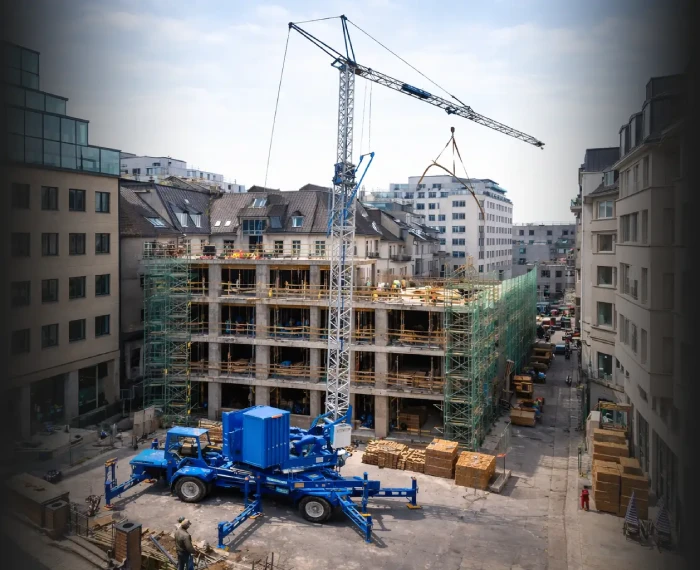
Understanding Mobile Tower Crane Deployment Needs
Mobile tower cranes are commonly used in projects that demand fast installation, compact site footprint, and adaptable lifting capacity. However, how the crane is deployed significantly influences whether renting or owning is more suitable.
Key deployment factors include:
 Project duration and repeat usage
- Frequency of crane relocation between sites
- Site access constraints and urban density
- Operator availability and safety system integration
These factors determine whether short-term flexibility or long-term asset ownership delivers better value.
When Renting a Mobile Tower Crane Makes Sense
Renting a mobile tower crane is typically preferred for project-specific or short-duration requirements. Rental models allow contractors to match crane capability with temporary site demands without long-term ownership obligations.
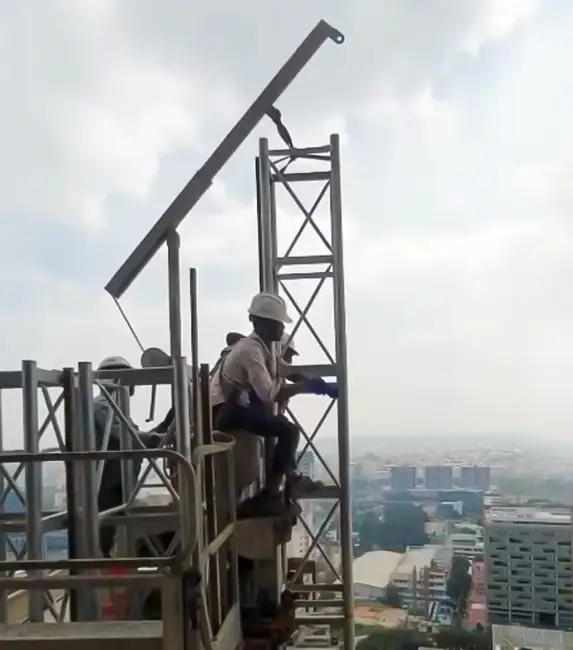
Common rental-driven scenarios include:
Rental arrangements often provide access to updated crane models, reducing compliance risk when safety regulations evolve. Check mobile tower cranes available for sale and rent.
When Purchasing a Mobile Tower Crane Is the Better Option
Ownership becomes more viable when mobile tower cranes are part of continuous or multi-project operations. Companies with predictable crane utilization often benefit from capital investment over repeated rental costs.
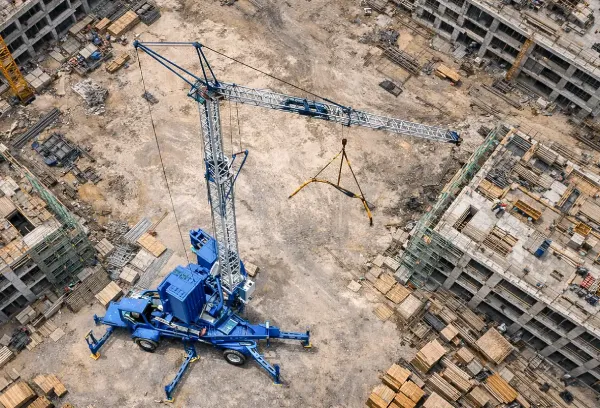
Purchase-driven use cases include:
Ownership also allows deeper integration of safety systems and operational configurations aligned with internal standards.
Cost, Risk, and Operational Considerations
The rent vs purchase decision extends beyond upfront cost comparisons. Experienced planners evaluate total lifecycle impact.
Key evaluation areas:
Rental reduces capital risk, while ownership offers operational autonomy. The correct balance depends on project scale and organizational maturity.
Safety, Compliance, and System Integration Factors
Modern construction projects increasingly assess cranes not only on lifting capacity but also on safety system compatibility. Whether rented or owned, mobile tower cranes must align with site safety expectations.
Important considerations include:
From a compliance perspective, rental cranes must be evaluated with the same rigor as owned assets to ensure operational continuity.
How This Decision Impacts Project Planning
Choosing the wrong acquisition model can introduce inefficiencies, delays, or compliance challenges. Aligning crane selection with project lifecycle planning helps reduce operational friction and improves site coordination.
Projects that anticipate crane requirements early are better positioned to:
This strategic alignment is especially critical in complex or phased developments.
Final Takeaway
The decision to rent or purchase a mobile tower crane should be guided by project duration, operational frequency, and long-term planning, not short-term assumptions.
By evaluating deployment needs, cost structure, and safety integration requirements, construction professionals can make informed choices that support both efficiency and compliance, while maintaining flexibility across project portfolios.

