Projects with:
- Short durations or frequent site-to-site moves benefit from renting
- Long durations or repeated internal use often justify purchase
This planning logic informs decisions covered in our cluster blog on rent vs purchase.
Mobile tower cranes are a pivotal choice for modern construction projects that demand flexibility, rapid deployment, and versatile lifting capability. Whether it's an urban high-rise, infrastructure corridor, or industrial facility, mobile tower cranes are chosen for their ability to adapt quickly and operate in tight zones where fixed cranes aren't feasible.
This guide explains how mobile tower cranes are used in construction, how to plan their deployment effectively, what site teams must consider during planning, and how these decisions relate to broader equipment choices including rental vs purchase decisions as explored in our supporting cluster blog.
To help project teams and decision-makers align strategy with site demands, this article also references relevant scenarios, planning best practices, and the role mobile tower cranes play in project execution, compliance, and operational efficiency.

Mobile tower cranes are widely used where project demands require:
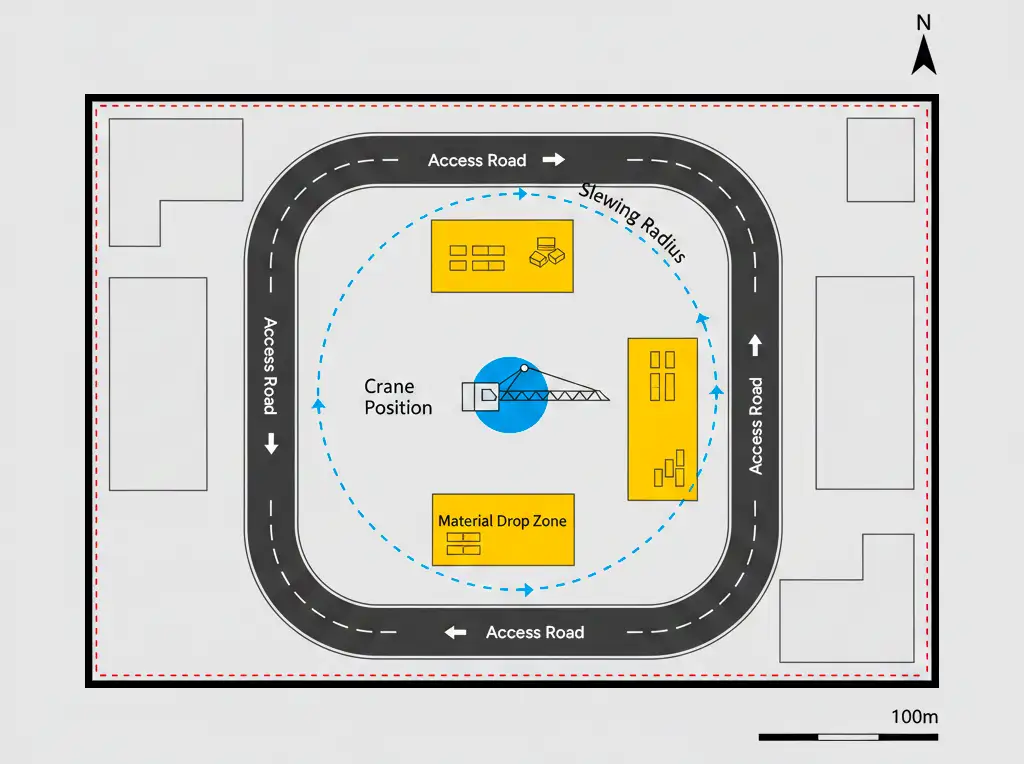
Deploying a mobile tower crane successfully involves more than just selecting a model. Project planners, safety engineers, and site leads must consider:
Projects with:
This planning logic informs decisions covered in our cluster blog on rent vs purchase.
Rigorous load planning prevents:
Knowing the site geometry and planned lifts in advance improves crane choice accuracy.
Mobilization depends on:
Proper assessment avoids late-stage surprises.
Project duration, frequency of crane movement, and capital allocation often determine whether contractors prefer short-term deployment or long-term utilization, a decision commonly evaluated when comparing mobile tower crane rental versus ownership strategies.
Read - Mobile tower crane rental versus ownership strategies
Every mobile tower crane deployment has unique challenges. These include:
In multi-equipment zones, this must be positioned to minimize conflicts with:
Strategic placement during planning avoids operational clashes.
Structural wind and turbulence can affect lifts. For taller lifts or open sites, planning must account for:
Experienced rigging planners adjust schedules or crane configurations accordingly.
Mobile tower cranes must be integrated into project safety plans and audits. This includes:
Project teams should retain:
 Lift plansRigging plansOperator certificationsSite-specific planning notes
This is especially crucial in multi-crane environments.
On If operating along with anti-collision or load-monitoring systems, cranes must be compatible with site-wide safety infrastructure.
This aligns with best practices found across advanced project deployments and supports safety compliance standards.
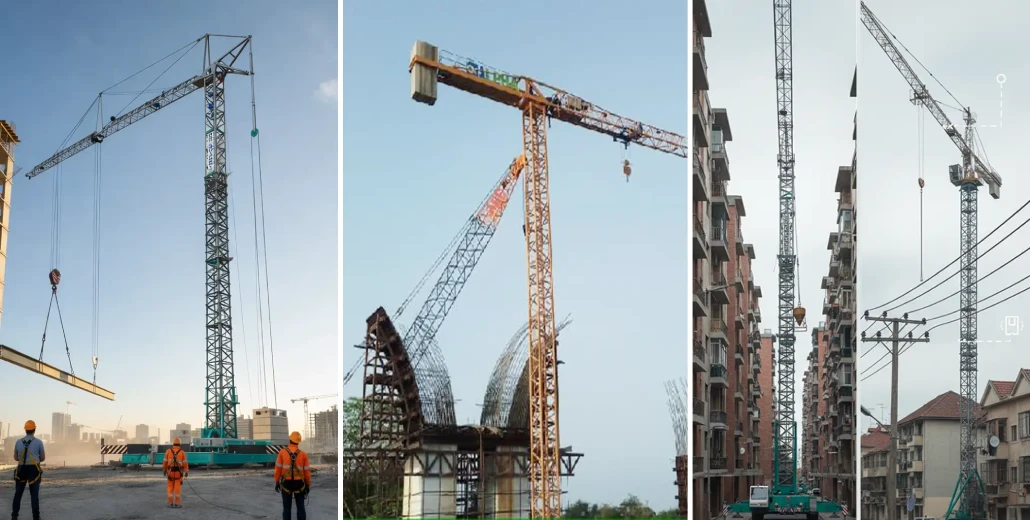
Choosing and planning mobile tower crane deployment shapes:
Strong planning practices reduce risk and enhance execution, especially in projects with demanding timelines or intersecting lifting tasks.
Once planning parameters such as load requirements, site constraints, and deployment timelines are defined, project teams typically assess available mobile tower crane configurations that align with these operational needs.
From working with diverse construction projects, some recurring pitfalls include:
Seasoned planning teams address these early with structured project reviews, site walk-throughs, and collaboration between structural and lift planners.
Mobile tower cranes are versatile and indispensable in modern construction planning, especially when flexibility, rapid deployment, and multi-phase operations are required. Successful projects integrate crane planning early, consider operational and site constraints, and use structured decision criteria including strategic decisions on rental vs ownership.
Effective planning not only supports safer operations but also improves site productivity and reduces risks. With the right information and expert planning, this lifting equipment remains a dependable backbone of construction execution strategies.

