The SLI system should be compatible with the crane type and configuration used on the construction site.
Safe Load Indicator(SLI) in Tower Cranes: Safety & Compliance
- By Admin
- 9 March 2026
Tower cranes play a central role in modern construction projects, particularly in high-rise development, infrastructure works, and large commercial sites. As lifting operations become more complex, ensuring crane safety has become a critical requirement for contractors, equipment operators, and project planners.
One of the most important safety technologies used in tower cranes today is the Safe Load Indicator (SLI). Many regulatory authorities and construction safety standards now require the installation of SLI systems to prevent crane overloading and improve operational safety.
This article explains what a safe load indicator in tower cranes is, how it works, and why it has become an essential safety component for construction projects.
What Is a Safe Load Indicator in Tower Cranes?
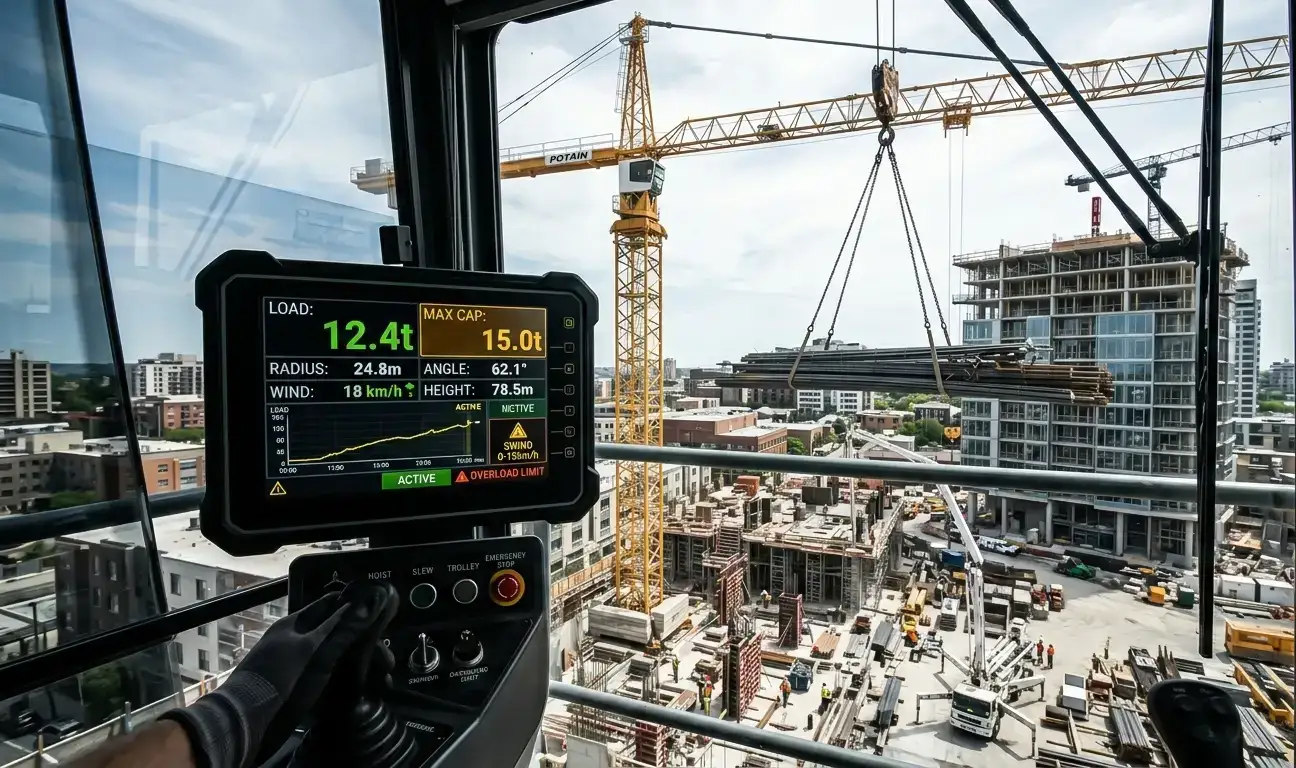
A Safe Load Indicator (SLI) is an electronic safety system that continuously monitors the load being lifted by a crane and compares it with the crane's rated lifting capacity.
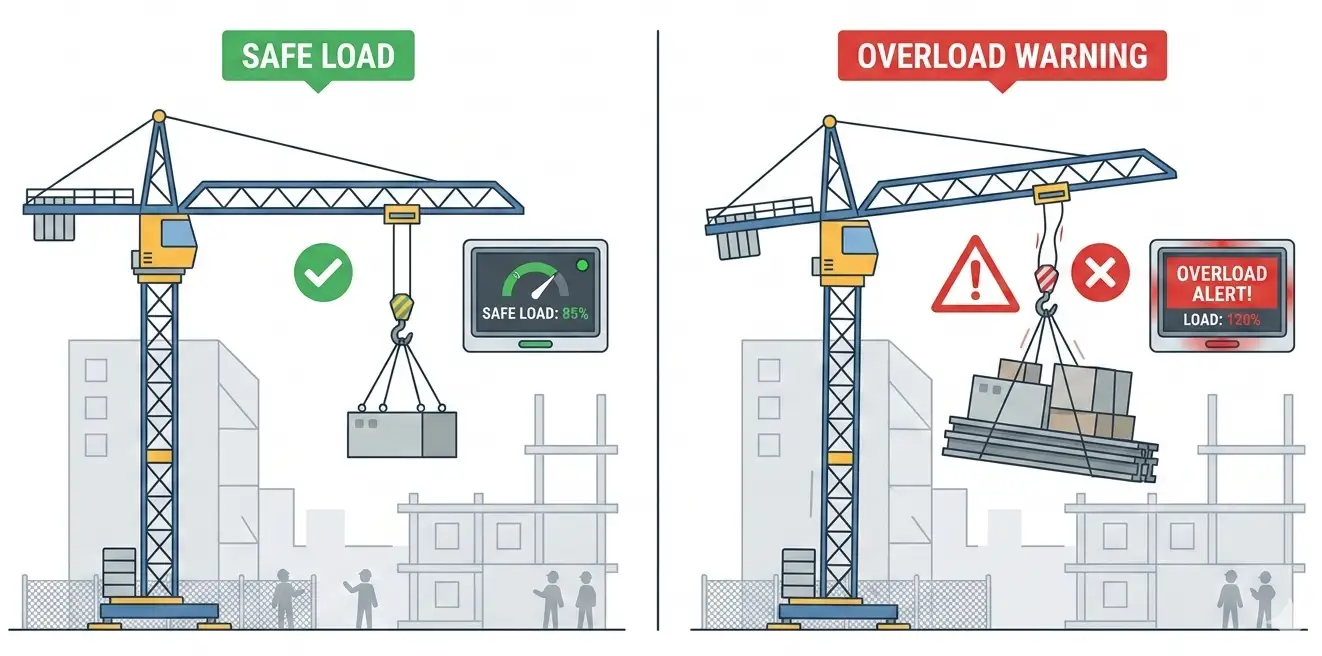
If the load approaches or exceeds the permitted limit, the system alerts the operator through visual and audible warnings. In advanced systems, lifting operations may also be restricted automatically to prevent dangerous overload situations.
In tower cranes, SLI systems help operators maintain safe lifting conditions by tracking several critical parameters such as:
By processing this information in real time, the SLI system ensures that lifting operations remain within the crane's safe working limits.
Why Safe Load Indicators Are Mandatory for Tower Crane Safety
Construction sites involve dynamic lifting conditions. Load weight, lifting radius, and crane configuration may change frequently during operations.
Without proper monitoring systems, these changes can increase the risk of crane overloading, structural stress, or instability.
For this reason, many safety authorities and project specifications now require safe load indicators for tower cranes as part of standard safety compliance.
The use of SLI systems helps address several critical risks:
Because of these benefits, modern construction projects increasingly rely on crane load monitoring systems to maintain safe and controlled lifting operations.
How Safe Load Indicator Systems Work in Tower Cranes
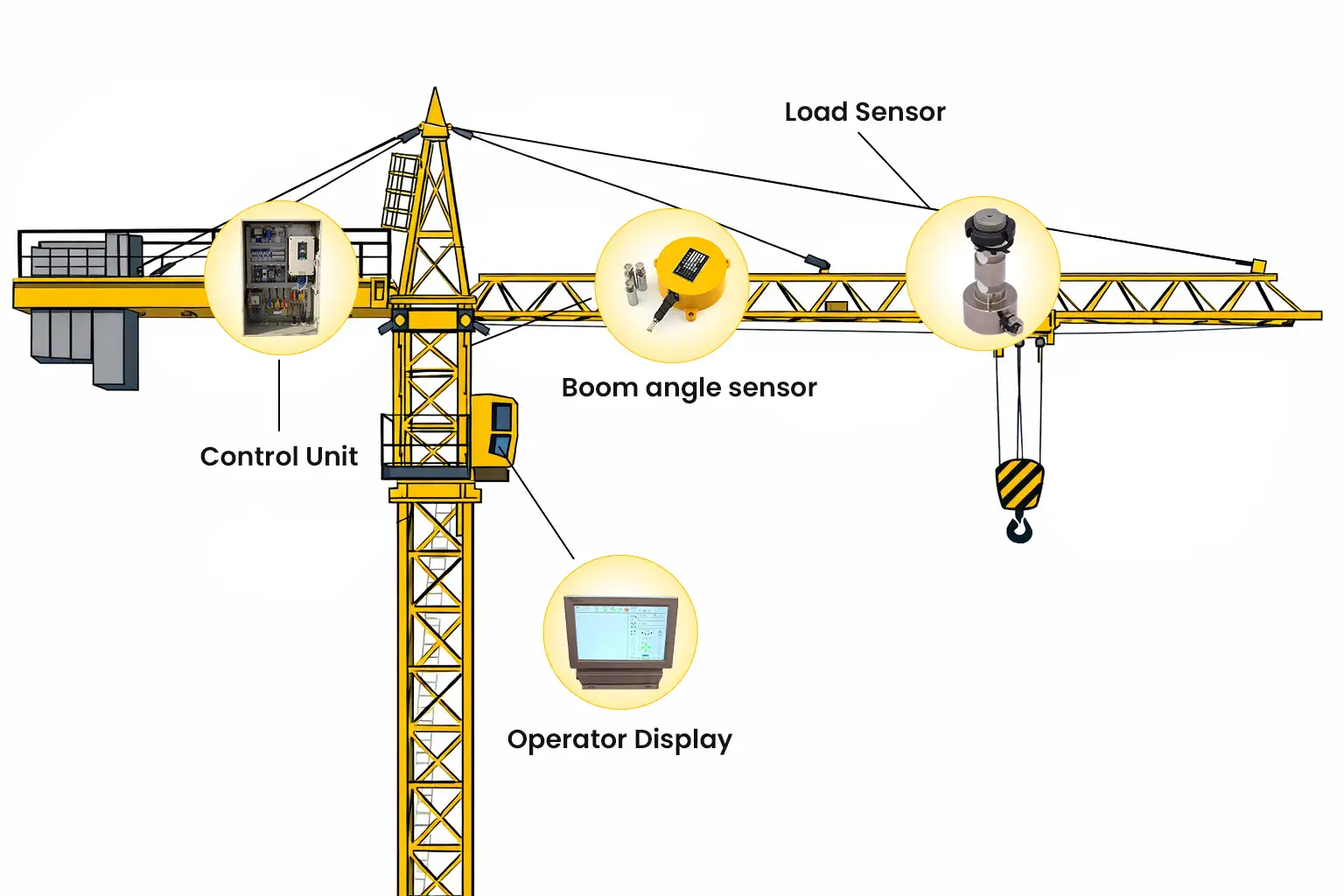
A tower crane safe load indicator functions by collecting data from sensors installed at key points of the crane.
Typical system components include:
If the system detects a potential overload condition, the operator receives alerts before the lifting limit is exceeded.
This real-time monitoring is what makes tower crane load monitoring systems an essential safety feature on modern construction sites.
Key Benefits of Installing Safe Load Indicators
Key Benefits of Installing Safe Load Indicators
Improved Crane Safety
The most important function of SLI systems is preventing unsafe lifting conditions. By continuously monitoring loads, the system reduces the risk of structural overload and crane instability.
Better Operator Decision Support
Crane operators must constantly evaluate lifting conditions during operations. The SLI system provides clear data that helps operators make safer lifting decisions.
Compliance With Safety Regulations
Many construction contracts and government safety guidelines now require cranes to be equipped with load monitoring systems. Installing an SLI helps project teams comply with these requirements.
Reduced Risk of Equipment Damage
Overloading a crane can lead to structural damage or mechanical failure. Load monitoring systems help prevent these issues by maintaining lifting operations within safe limits.
Common Situations Where SLI Prevents Crane Overloading
Tower crane lifting conditions often change during construction activities. In many situations, the risk of overloading increases due to variations in load weight, lifting radius, or site conditions. Safe Load Indicator systems help operators detect these risks early and maintain safe lifting limits.
Some common construction scenarios where SLI systems play a critical safety role include:
By monitoring lifting conditions in real time, tower crane safe load indicator systems provide an additional layer of protection that helps prevent accidents and maintain safer crane operations on complex construction sites.
Factors to Consider When Selecting an SLI System for Tower Cranes
When selecting a
Sensor Accuracy
Reliable load monitoring depends on high-precision sensors that provide accurate data under varying site conditions.
Clear Operator Interface
The display unit should present lifting information clearly so operators can quickly understand load conditions during crane operations.
System Reliability
Construction environments involve dust, vibration, and weather exposure. A reliable SLI system should be designed to perform consistently under these conditions.
Many crane operators and contractors evaluate tower crane safe load indicator systems that provide reliable load monitoring and safety alerts to support safe lifting operations on complex construction sites.
The Growing Importance of Crane Load Monitoring Systems
As construction projects become larger and more technically demanding, crane safety systems are evolving to meet new operational challenges.
Modern crane load monitoring technology helps project teams improve safety management by providing continuous visibility into crane performance and lifting conditions.
With the increasing focus on construction safety and regulatory compliance, the role of safe load indicators in tower cranes will continue to grow across the industry.
Projects that integrate advanced safety systems not only reduce operational risks but also improve overall efficiency and safety culture on site.
Conclusion
Safe Load Indicators have become a fundamental safety system in tower crane operations. By continuously monitoring lifting loads and providing real-time alerts, SLI systems help prevent overloading and support safer construction practices.
As safety regulations and project requirements continue to evolve, the use of reliable tower crane load monitoring systems is becoming essential for contractors, crane operators, and equipment managers.
Selecting the right SLI solution ensures that crane operations remain safe, compliant, and efficient throughout the construction lifecycle.

