Is a Mobile Tower Crane Right for Your Project? 5 Construction Scenarios Explained
- By Admin
- 7 August 2026
Not every construction project needs a conventional tower crane.
For many low- to mid-rise developments, the challenge isn't lifting heavier loads, it's finding equipment that can be installed quickly, work efficiently within limited site space, and keep the project moving without unnecessary setup costs.
This is where a mobile tower crane often becomes a practical choice.
Across residential developments, warehouses, commercial buildings and industrial projects in India, contractors are increasingly evaluating mobile tower cranes for projects where speed of deployment and operational flexibility matter more than maximum lifting capacity.
However, the decision isn't based on the crane alone. It depends on the project's duration, lifting requirements, available space and construction sequence.
If you're evaluating whether a mobile tower crane is suitable for your next project, these five scenarios provide a practical framework used by many planning teams before finalising crane deployment.
1. Low-Rise Residential Projects with Tight Construction Schedules
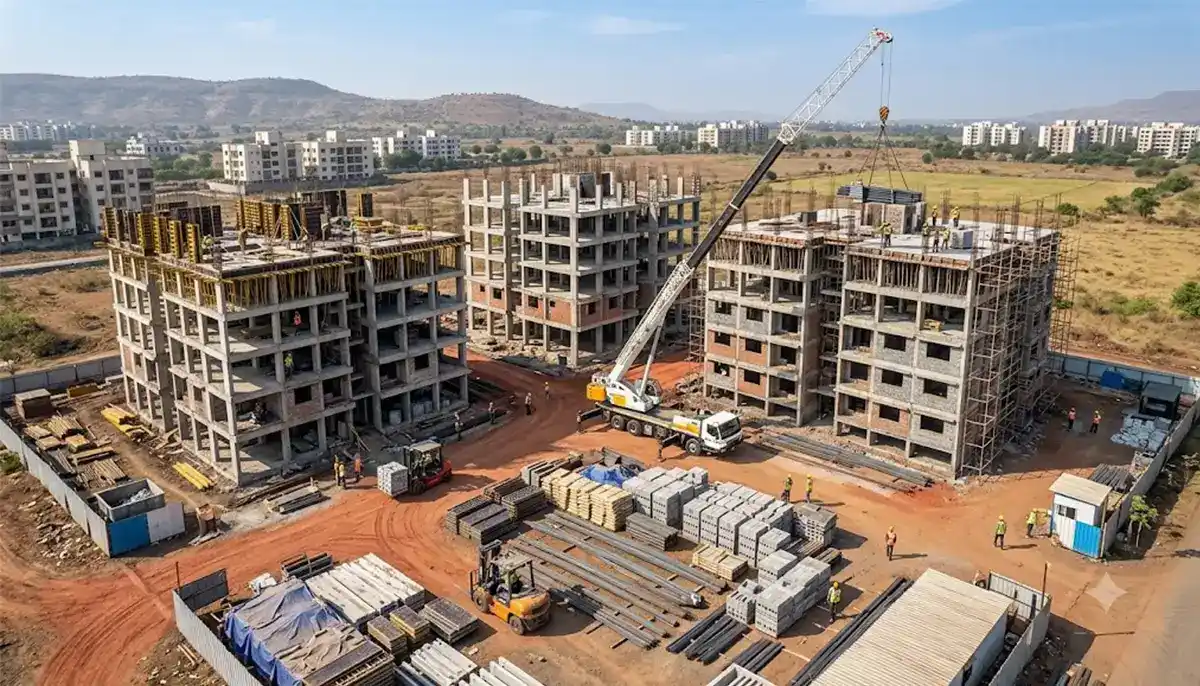
For G+4 to G+12 residential buildings, contractors often need a crane that can be installed quickly and begin lifting within a short mobilisation period.
Typical lifting activities include:
Because these projects generally have moderate lifting requirements, deploying a larger conventional tower crane can increase mobilisation time without delivering proportional productivity gains.
It provides sufficient lifting performance while reducing setup complexity, making it well suited for projects where construction schedules are compressed.
2. Warehouse and Industrial Buildings with Repetitive Lifting
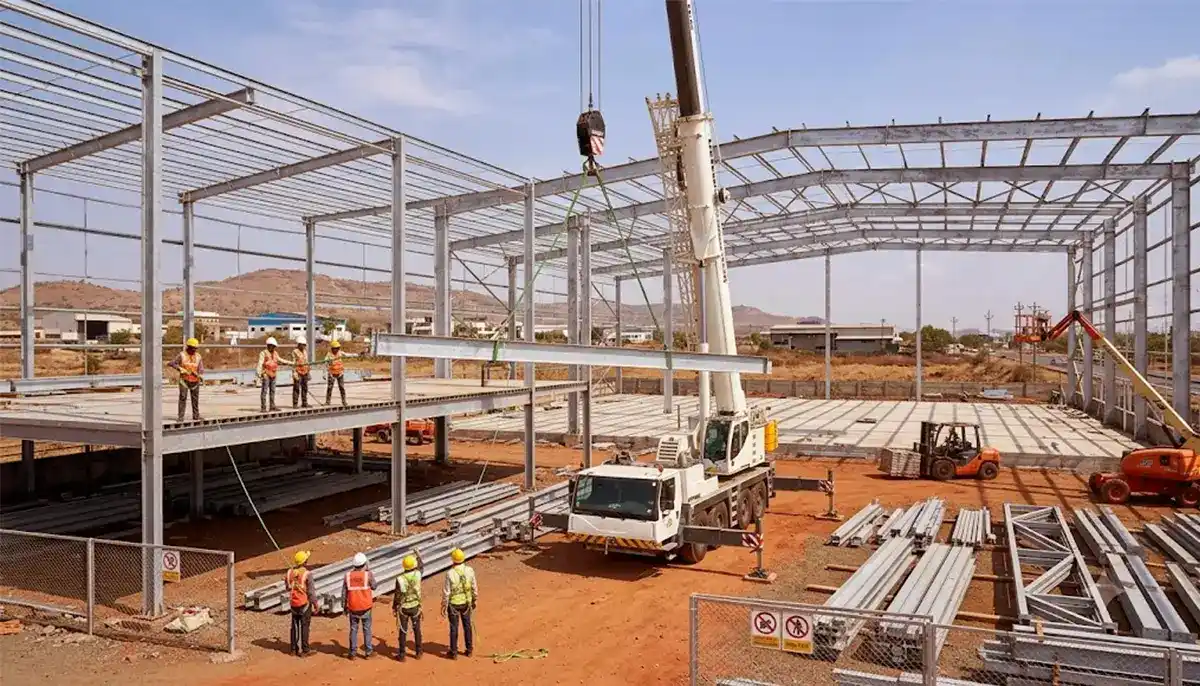
Industrial buildings usually involve repetitive lifting rather than extremely heavy lifting.
Steel members, roofing components, purlins and mechanical equipment must be moved continuously throughout construction.
In these projects, reducing crane idle time is often more valuable than increasing maximum lifting capacity.
During warehouse construction around Chakan and Sanand, contractors frequently prioritise cranes that can be assembled quickly and relocated efficiently as different work zones become active.
A mobile tower crane supports this workflow by allowing faster deployment across multiple construction stages without the extensive installation requirements associated with larger fixed tower cranes.
3. Projects Where Site Space Is Limited
Not every construction site provides enough room for large crane installations.
Urban developments often present challenges such as:
In these situations, equipment selection becomes a logistics decision as much as a lifting decision.
A mobile tower crane can often be deployed with a smaller site footprint while still providing efficient lifting coverage for the planned work area.
This makes it particularly suitable for schools, hospitals, commercial extensions and redevelopment projects where available working space is limited.
4. Short-Duration Projects Where Fast Mobilisation Matters
Some projects simply don't justify the mobilisation time required for a conventional tower crane.
Examples include:
When the overall construction programme is only a few months, reducing equipment setup time directly improves project efficiency.
Many contractors evaluating mobile tower crane on rent options are primarily looking to shorten mobilisation while maintaining reliable lifting performance throughout the project.
Instead of selecting equipment based solely on lifting capacity, experienced planners compare deployment time, project duration and daily lifting requirements before making a rental decision.
5. Projects Requiring Frequent Crane Relocation
Construction rarely progresses exactly as planned.
As work zones shift, crane coverage requirements may also change.
Projects involving phased construction or multiple building blocks often benefit from equipment that adapts to changing site conditions without significant downtime.
Rather than committing to one fixed lifting position for the entire project, mobile tower cranes offer greater flexibility for developments where lifting operations evolve over time.
This flexibility is one reason contractors increasingly evaluate them for township developments, institutional campuses and phased commercial projects.
Is a Mobile Tower Crane the Right Choice for Your Project?
Before selecting any crane, project teams typically evaluate four practical questions.
Project Requirement |
Mobile Tower Crane Suitable? |
|---|---|
| Low to mid-rise construction | ✓ Yes |
| Short to medium project duration | ✓ Yes |
| Limited site space | ✓ Yes |
| Moderate repetitive lifting | ✓ Yes |
| Very heavy long-radius lifting | Consider a conventional tower crane |
This approach helps match equipment selection with actual project requirements instead of relying only on maximum lifting capacity.
Once the project requirements are clearly defined, contractors generally compare available mobile tower crane configurations, lifting capacities and deployment options before deciding whether rental or purchase offers the better operational fit.
Why Planning Matters More Than Crane Size
One common misconception is that selecting a larger crane automatically improves productivity.
In practice, project performance is influenced by several planning factors working together:
A correctly planned mobile tower crane often delivers better utilisation than an oversized crane operating inefficiently.
The objective is not to deploy the biggest crane available.
It is to deploy the crane that best matches the project's workflow.
Real Project Observation
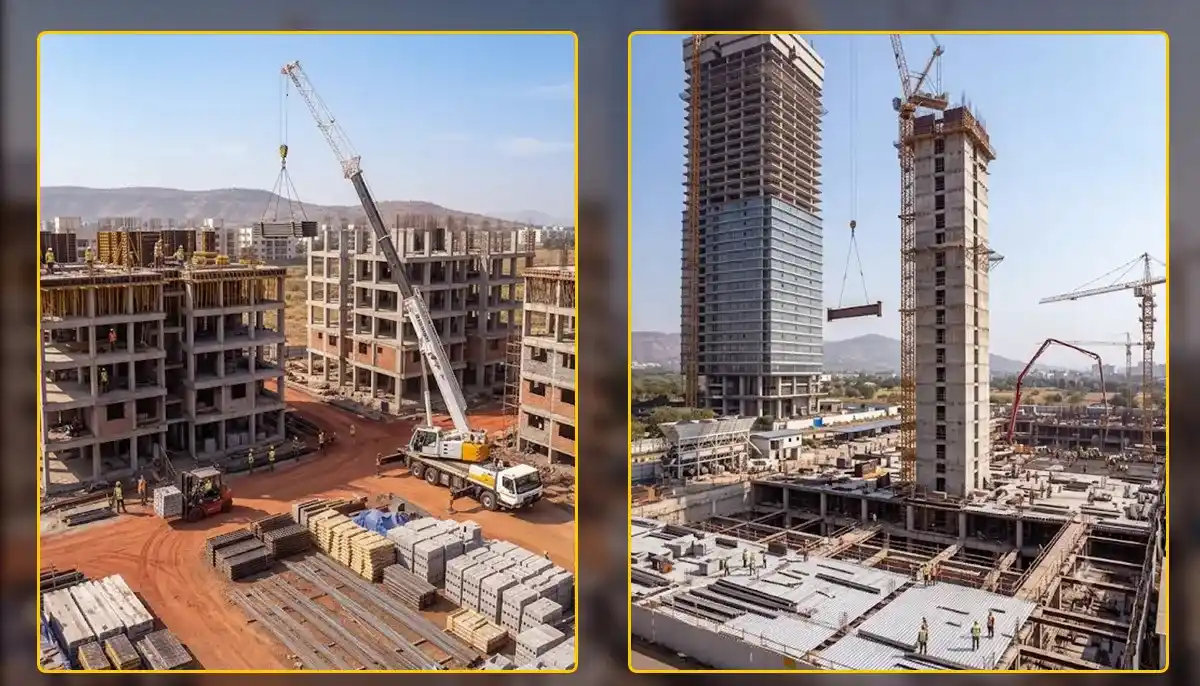
During a mid-rise residential development near Pune, the contractor initially planned a conventional tower crane based on anticipated peak lifting requirements.
After reviewing the construction sequence, it became clear that most lifts involved repetitive movement of moderate-weight materials over relatively short radii.
The project team revised the lifting strategy and deployed a mobile tower crane instead.
The result was faster mobilisation, smoother daily lifting operations and fewer interruptions during early construction stages, all without increasing equipment capacity.
The improvement came from better planning rather than larger machinery.
Final Insight
A mobile tower crane is not designed to replace every tower crane on site.
It is designed for projects where fast deployment, operational flexibility and efficient lifting create greater value than maximum lifting capacity.
Residential developments, warehouses, institutional buildings and short-duration commercial projects often benefit from this approach because equipment selection aligns with the actual demands of the construction programme.
By evaluating project duration, site constraints, lifting patterns and future workflow before selecting equipment, contractors can improve productivity while avoiding unnecessary mobilisation costs.

