Sensors and encoders track crane movements in real time.
ACD in Tower Crane | Working Principle, Safety & Compliance Guide
- By Admin
- 24 December 2025
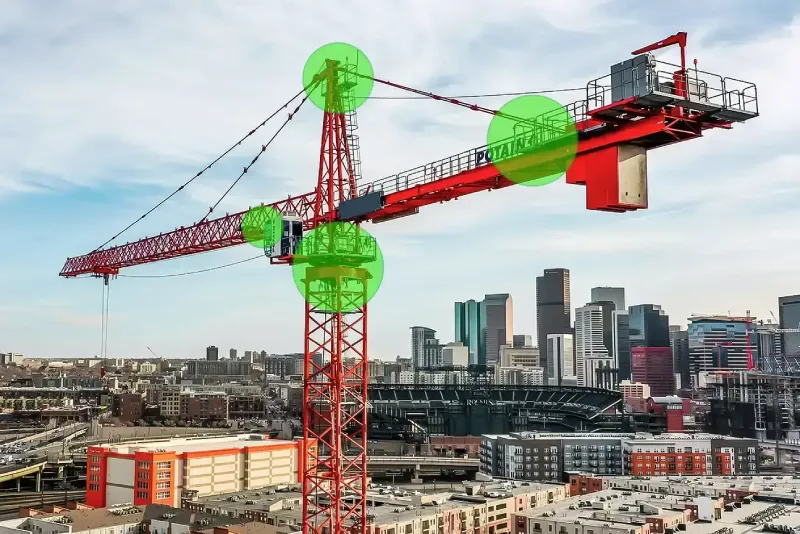
Tower cranes increasingly operate in dense, high-risk construction environments. Multiple cranes, restricted airspace, and overlapping lifting zones are now common on large projects. In such conditions, manual coordination alone is not sufficient to manage collision risk.
This is where ACD in tower crane operations becomes critical.
An ACD (Anti-Collision Device) continuously monitors fleet movement and helps prevent unsafe interactions between cranes, structures, and restricted zones.
This article explains how ACD systems work in tower cranes, their role in improving site safety, and why they are widely used on complex construction projects.
What Is ACD in Tower Crane Operations?
Anti collision device in tower crane systems refers to an electronic safety mechanism designed to prevent collisions during fleet movement.
The system monitors key operational parameters, including:
 Slewing position
- Trolley travel
- Hook height
- Load radius
- Proximity to other cranes or fixed obstacles
By analysing these parameters in real time, the Anti collision device identifies unsafe movement patterns before a collision can occur. This allows operators to maintain safe working limits even on congested sites.
Why ACD Is Essential on Multi-Crane Construction Sites
Tower cranes often operate:
 At different heights
- With long jibs and overlapping working radii
- In close proximity to buildings and other equipment
These conditions significantly increase the risk of:
- Crane-to-crane contact
- Load interference
- Contact with fixed structures
A properly configured tower crane anti-collision system reduces these risks by defining safe operating zones and preventing cranes from entering restricted areas.
Working Principle of ACD in Tower Cranes
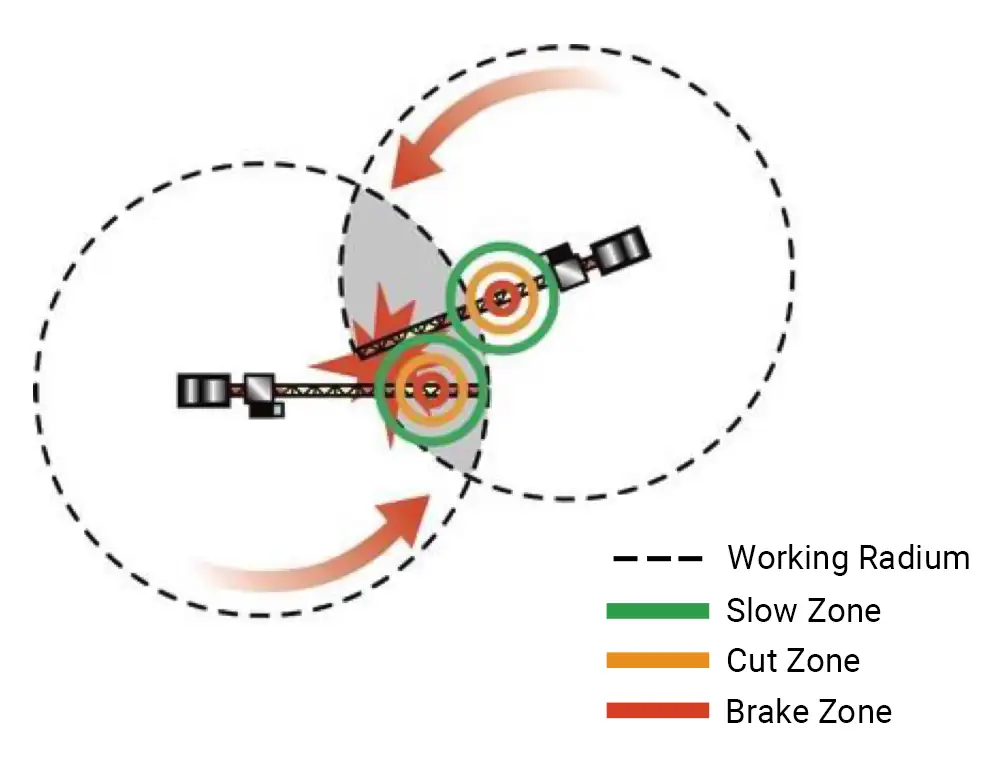
The ACD working principle is based on continuous monitoring and predictive movement analysis.
In practice, the system operates as follows:
Zone Configuration
Working zones, height limits, and restricted areas are defined during system setup.
Collision Prediction
The system calculates potential conflict paths between cranes or obstacles.
Warning and Motion Control
Visual and audible alerts are issued. If required, unsafe movements are automatically restricted.
This proactive approach ensures hazards are addressed before physical contact occurs.
Key Components Used in ACD Systems
An ACD system used in tower cranes typically consists of:
 Anti-collision sensors for cranes to monitor movement and position
- Central processing units to analyse operational data
- Operator display interfaces for alerts and diagnostics
- Control outputs that limit unsafe crane movements
- Redundant safety mechanisms to improve system reliability
Each component contributes to maintaining consistent safety during crane operations.
Safety Role of ACD in Tower Crane Operations
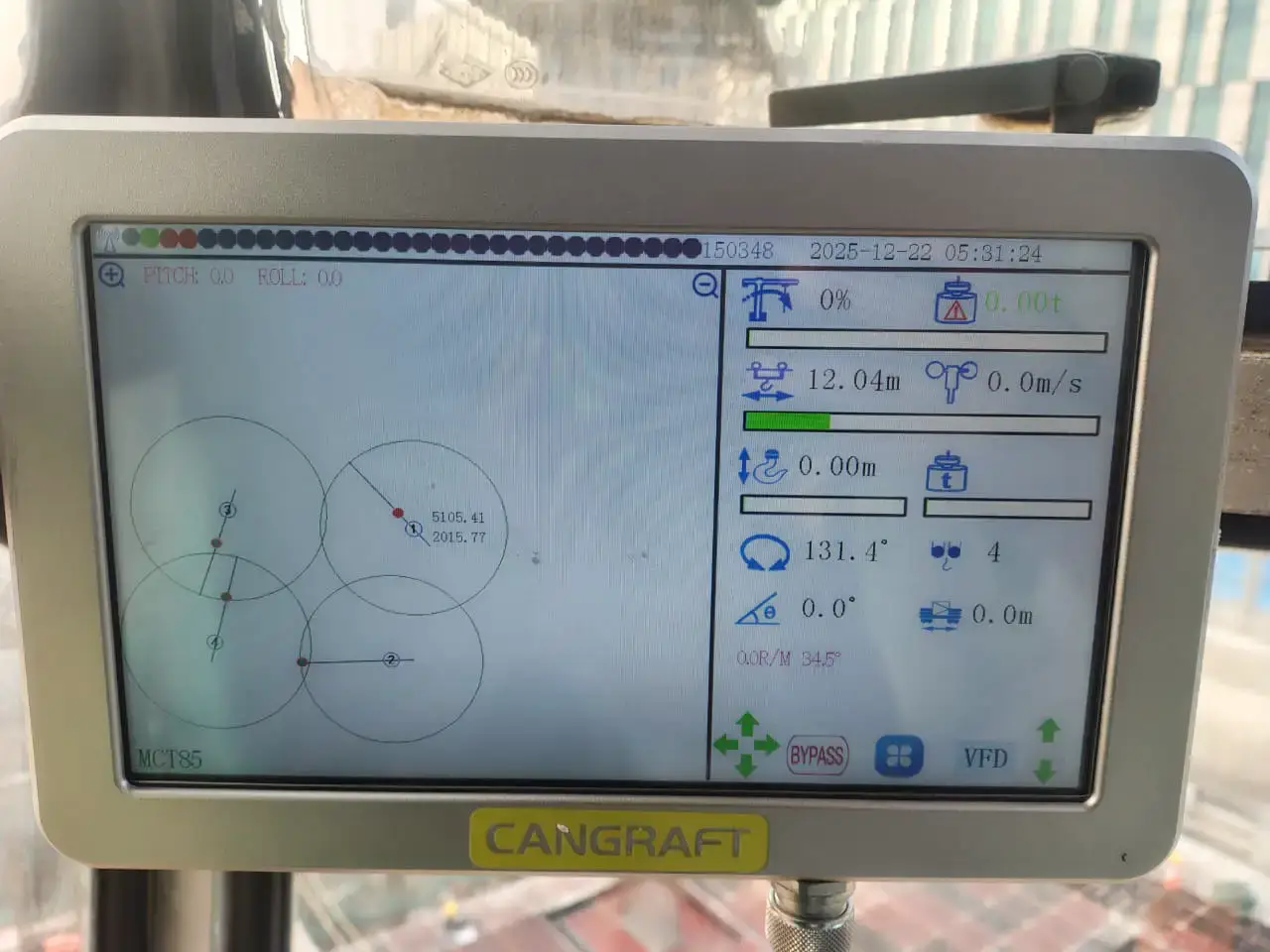
From a site safety perspective, ACD systems deliver several important benefits:
On projects involving multiple cranes, Anti collision systems form a core part of the overall tower crane safety system.
Compliance and Risk Management Considerations
ACD systems support compliance with:
On large or complex sites, ACD implementation is often reviewed during safety audits and lifting plan approvals. As a result, anti-collision systems are increasingly treated as a standard safety requirement rather than an optional feature.
Relationship Between ACD Systems and Tower Crane Equipment
Modern tower cranes are designed to support advanced safety technologies such as ACD systems. When properly integrated, these systems improve operational control without reducing productivity.
For an overview of commercially deployed solutions and configurations, refer to the anti collision device for crane product overview.
Conclusion
ACD in tower crane operations plays a critical role in preventing collisions, improving coordination, and supporting compliance on complex construction sites. As construction environments become more congested and regulated, the use of reliable anti-collision systems continues to increase.
For projects involving multiple cranes or restricted airspace, ACD systems are a fundamental part of safe and efficient crane operations.

